White Bass Spawn: Reading the Run and Staying on Fish All Spring
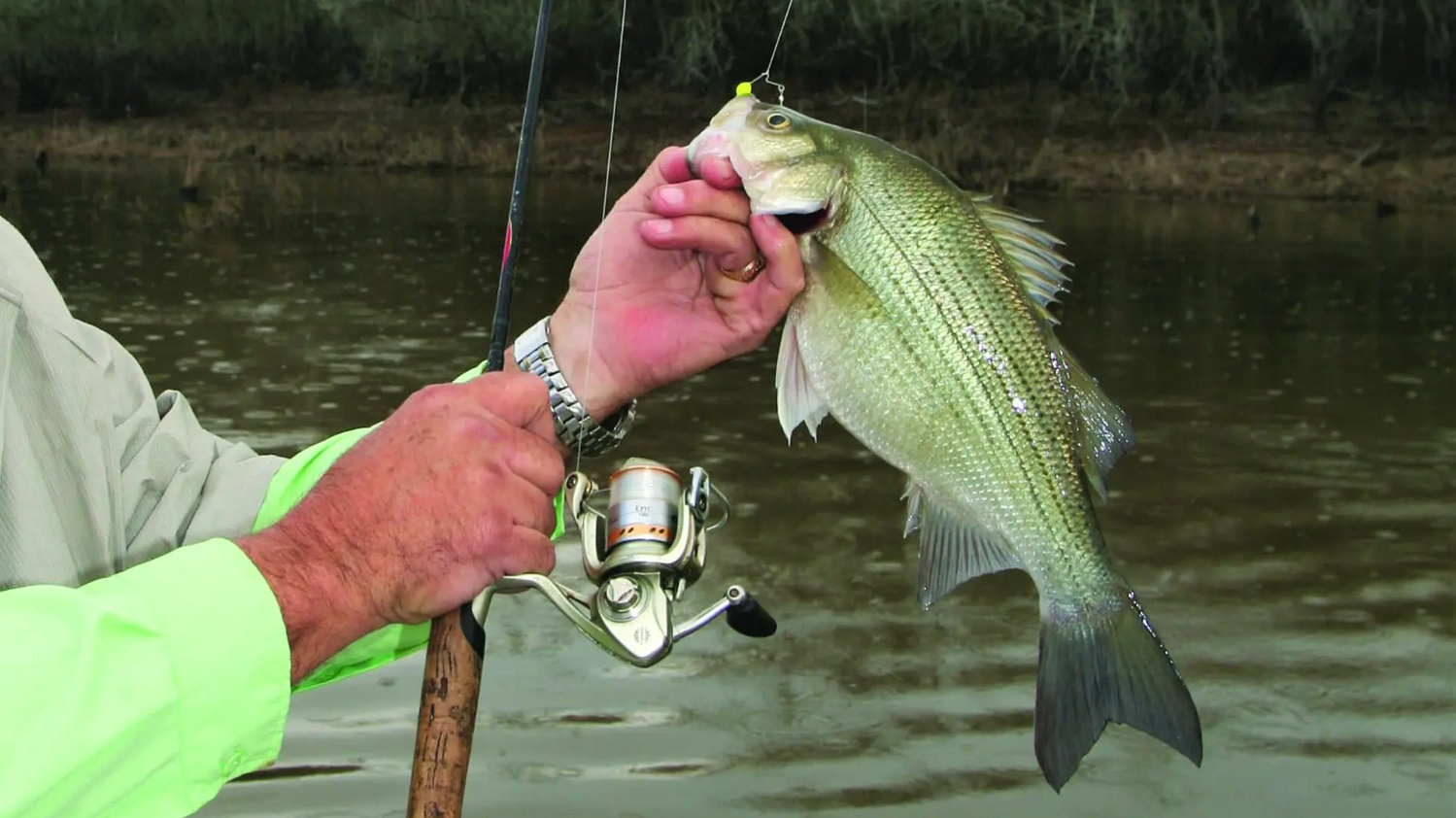
Photo By Robert Sloan_Lone Star Outdoor News
If you’ve chased white bass before, you already know this bite isn’t a mystery, it’s a window.
One day the river feels lifeless. A few warm afternoons later, fish stack into current seams and shallow runs, and it turns into one of the most consistent spring patterns you’ll fish all year.
The white bass spawn isn’t about trick baits or perfect casts. It’s about timing, water temperature, and knowing where fish pause as they move upstream.
When you read it right, the run almost fishes itself.
Water Temperature Is the Trigger (Not the Calendar)
Experienced anglers watch water temps, not dates.
Once temperatures push into the mid-50s, white bass start staging. When water settles into the upper-50s to low-60s, the run is usually in full swing. That’s when fish push hard into moving water, hold shallow, and feed aggressively between spawning movements.
Cold fronts can stall the run for a day or two. Warm afternoons often turn it back on just as fast. If you’re checking temps at river mouths and feeder creeks instead of looking at the calendar, you’re already ahead of the crowd.
Where White Bass Stack During the Spawn
During the run, white bass don’t spread out. They stack and stack where current gives them a break.
The most productive water is almost always:
Current seams just off the main flow
Shallow runs with gravel or rocky bottom
Below dams and spillways, where fish stage and reload
Creek mouths with steady inflow
If you make ten casts without a bump, move. Spawn-run whites usually let you know quickly when you’re in the right stretch.
What Actually Gets Bit During the Run
This is not finesse fishing.
Spawn-run white bass are competitive, aggressive, and keyed on movement. Simple presentations that cover water and swing naturally in current outproduce everything else.
Reliable producers year after year:
Inline spinners
Curly-tail grubs on light jig heads
Small swimbaits
Spoons and blade baits when current is stronger
White and chartreuse stay consistent in stained water. Shad and natural patterns shine when things clear up.
Cast slightly upstream, let the bait swing through the seam, and be ready—most strikes are sharp and decisive.
Tackle That Makes Sense for This Bite
You don’t need specialized gear for white bass season, but you do need setups that handle current and repeated casting.
A light to medium spinning rod with enough backbone to steer fish out of flow is ideal. Pair it with a smooth reel and fresh line, and you’re set.
Many anglers restock spring spinners, jigs, and light tackle through places like Bass Pro Shops simply because it’s easy to grab proven staples in one stop and get back on the water.
The fish don’t care about brand names. They care that your bait swings cleanly through the seam.
Why the White Bass Spawn Never Loses Its Appeal
Even anglers who fish year-round keep coming back to this run.
It’s:
fast-paced
pattern-driven
accessible from shore, kayak, or small boat
consistent when conditions line up
When the spawn is on, it rewards awareness more than electronics. Read the water. Watch how fish position in current. Adjust a few feet at a time.
That’s why it still works.
Miss the Window and It’s Over
The biggest mistake anglers make with the white bass spawn is assuming it’ll last.
Some years you get a solid couple of weeks. Other years the peak bite comes and goes fast. Once fish finish spawning, they slide back toward the lake and spread out again.
But if you’re paying attention: watching temperatures, checking flow, staying mobile, you can put together some of the most productive spring fishing of the year.
No gimmicks.
No guesswork.
Just being there when the run happens.