Gold Is Reasserting Monetary Gravity and the System Is Adjusting Around It
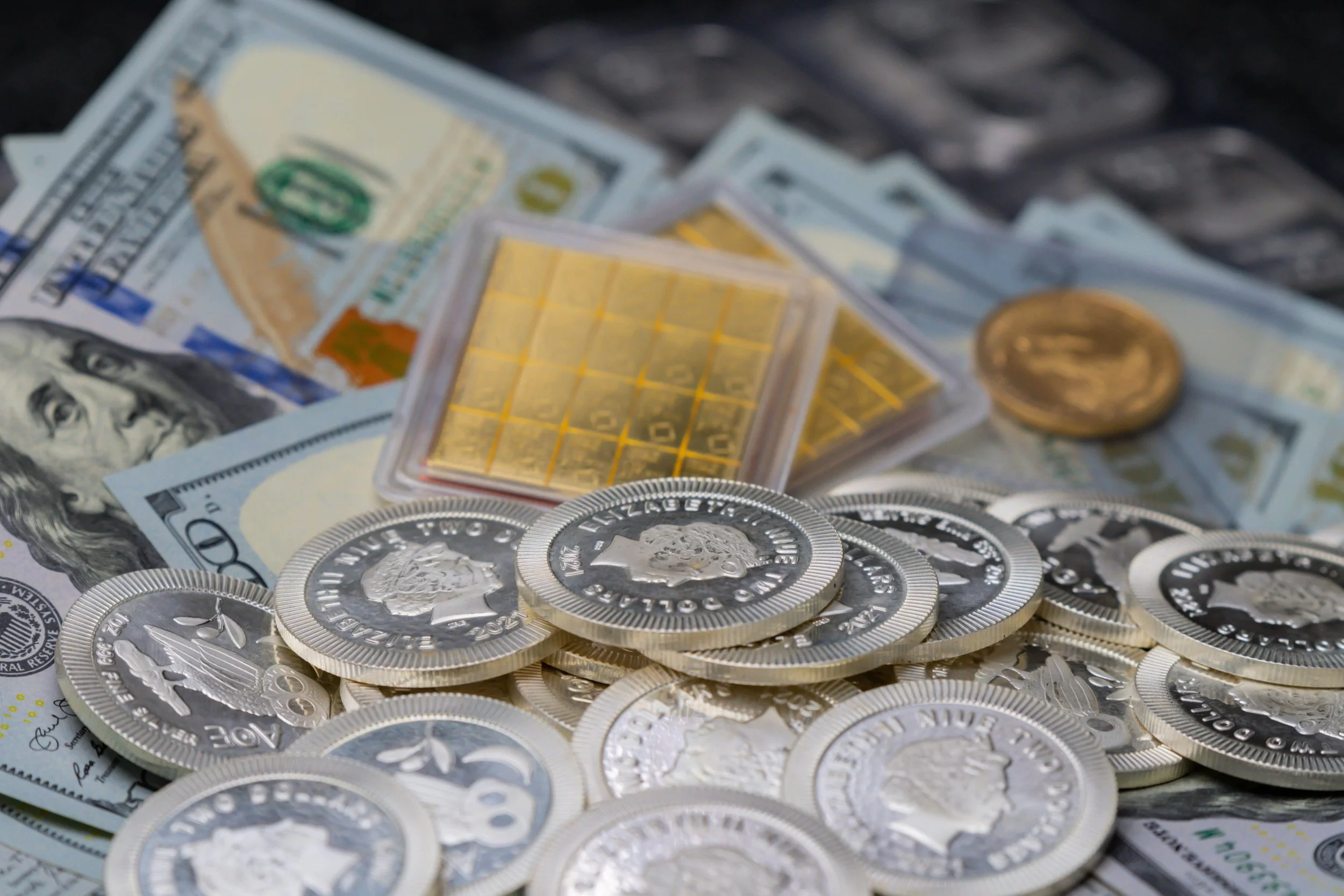
If you follow metals closely, none of this feels surprising anymore.
The data has been saying the same thing for a while now. Central bank balance sheets, reserve flows, duration exposure. Taken together, they point in one direction. Gold isn’t being treated like a hedge. It’s being treated like settlement.
What’s changed isn’t the metal. It’s the context around it.
Sovereign balance sheets are shortening duration. Exposure to long-dated debt is being trimmed. Assets that sit outside political systems are getting more attention. Gold sits squarely in the middle of that shift, with silver moving alongside it; more volatile, more sensitive, but tied to the same underlying stress.
This doesn’t look like collapse. It looks like adjustment. Quiet in rhetoric, obvious in behavior.
The Central Bank Model Is Losing Its Anchor
Modern monetary systems run on credibility. When that credibility weakens, everything still functions, just less cleanly and with more friction.
Central banks are boxed in. Tighten too much and risk a hard landing. Ease too soon and inflation embeds itself deeper. Either way, confidence takes a hit. The result isn’t a dramatic failure. It’s drift.
Market voices like Bob Kudla have been pointing to this for some time. The issue isn’t a single bad decision. It’s the exhaustion of a framework that relies on expanding debt and constant intervention to maintain stability. Asset prices respond quickly. Household affordability does not. That gap keeps widening.
When policy stops feeling reliable, capital doesn’t argue. It reallocates.
Energy Costs Say What Policy Can’t
Energy is where theory meets reality. Electricity isn’t discretionary. You don’t opt out of it, and you don’t substitute it easily. When power bills rise faster than incomes, people feel the pressure immediately.
Infrastructure limits, regulatory distortions, and years of misallocated capital have made electricity more expensive even as official inflation metrics cool. This is where monetary policy shows its limits. It can manage credit conditions. It struggles with physical constraints.
Coverage and analysis from ZeroHedge has highlighted this gap clearly. Essentials get tighter even while financial conditions are said to be “stable.” Energy becomes the stress point because it has nowhere to hide.
And once essentials start to strain, trust in paper systems erodes faster than charts suggest.
Gold vs. Treasuries: The Trust Shift
Households experience stress through costs. Institutions respond through balance sheets.
One of the clearest signals right now is how gold is being treated relative to long-duration sovereign debt. Central banks (especially outside the Western bloc) have been increasing gold exposure while trimming Treasuries. This isn’t about chasing yield. It’s about counterparty risk.
Treasuries are promises stretched over time. Gold is settlement today. In a world of rising debt loads, sanctions risk, and geopolitical fragmentation, that distinction matters again. Gold’s role in reserves isn’t symbolic. It’s practical.
Confidence is being reallocated, not debated.
Gold and Silver, Without the Storytelling
Gold: The Anchor
Gold’s role here is straightforward. It sits outside the debt stack. It doesn’t rely on an issuer. It doesn’t care about policy shifts or political cycles. It settles.
That’s why it’s being treated less like an “investment” and more like balance-sheet ballast. Price moves matter, but role restoration matters more. For institutions, this is about resilience, not upside.
Silver: The Transmission Point
Silver behaves differently, and that’s the point. It carries monetary history, but it also lives in the real economy: energy systems, infrastructure, industrial demand.
When stress builds, gold absorbs it. Silver transmits it. That’s why silver tends to move later and faster once repricing starts to leave institutional balance sheets and spill into broader markets. It’s not a replacement for gold. It’s an adjunct with sharper edges.
Anyone who’s watched previous cycles has seen this pattern before.
The Parallel System Isn’t Hypothetical
“Parallel” doesn’t mean hidden or hostile. It just means functional.
Alongside the legacy system, you now have:
physical assets that don’t require permission
trade arrangements that bypass single-currency dependence
settlement mechanisms that reduce exposure to political risk
None of this required a manifesto. It emerged because it solved problems the centralized model struggled with. That’s why it keeps expanding. You don’t shut down something people adopt voluntarily because it works.
This Is Risk Management, Not Rebellion
Countries aren’t revolting against the system. They’re hedging inside it. Diversifying reserves, shortening duration, broadening trade routes, this is what rational risk management looks like when uncertainty rises.
The dollar doesn’t disappear. Central banks don’t vanish. What disappears is exclusivity. Monetary influence gets distributed across overlapping systems, each covering weaknesses in the others.
That’s how transitions usually happen.
What This Means for People Who Are Paying Attention
At the individual level, the logic mirrors what’s happening at the sovereign level. When institutions reposition, they do so through direct ownership and custody clarity, not through layered promises.
For people who already understand metals, the question isn’t if gold and silver matter. It’s how they fit into a broader balance-sheet mindset that prioritizes tangibility and counterparty independence.
Physical metals held outright sit naturally in that framework. Not as a trade. Not as a prediction. Just alignment.
No urgency required. The adjustment is already underway.
A Transition You Can See
Old systems rarely end cleanly. They overlap with what comes next. Central banks will keep operating, but they no longer sit alone at the center.
Energy costs, reserve data, and trade behavior all point in the same direction. Confidence is moving first. Policy follows later.
This isn’t dramatic. It’s measurable. And for anyone watching metals closely, it’s been visible for a while now.