Why Serious Investors Are Quietly Moving Into Hard Assets Again
The Sound of Markets Getting Loud
Spend enough time watching the financial world and a familiar rhythm appears. Every few years the volume rises. Inflation conversations return, interest rate policy dominates headlines, trade negotiations reshape supply chains, and investors begin paying closer attention to where lasting stability lives. Seasoned investors recognize these moments as part of the normal cycle of modern economies. During these periods, capital often begins flowing steadily toward assets that hold intrinsic value and remain grounded in the physical economy.
These transitions rarely happen dramatically. Instead, they unfold quietly as experienced investors adjust positions with long-term resilience in mind. The movement reflects preparation rather than reaction, and the focus naturally turns toward tangible stores of value that operate beyond short-term financial sentiment.
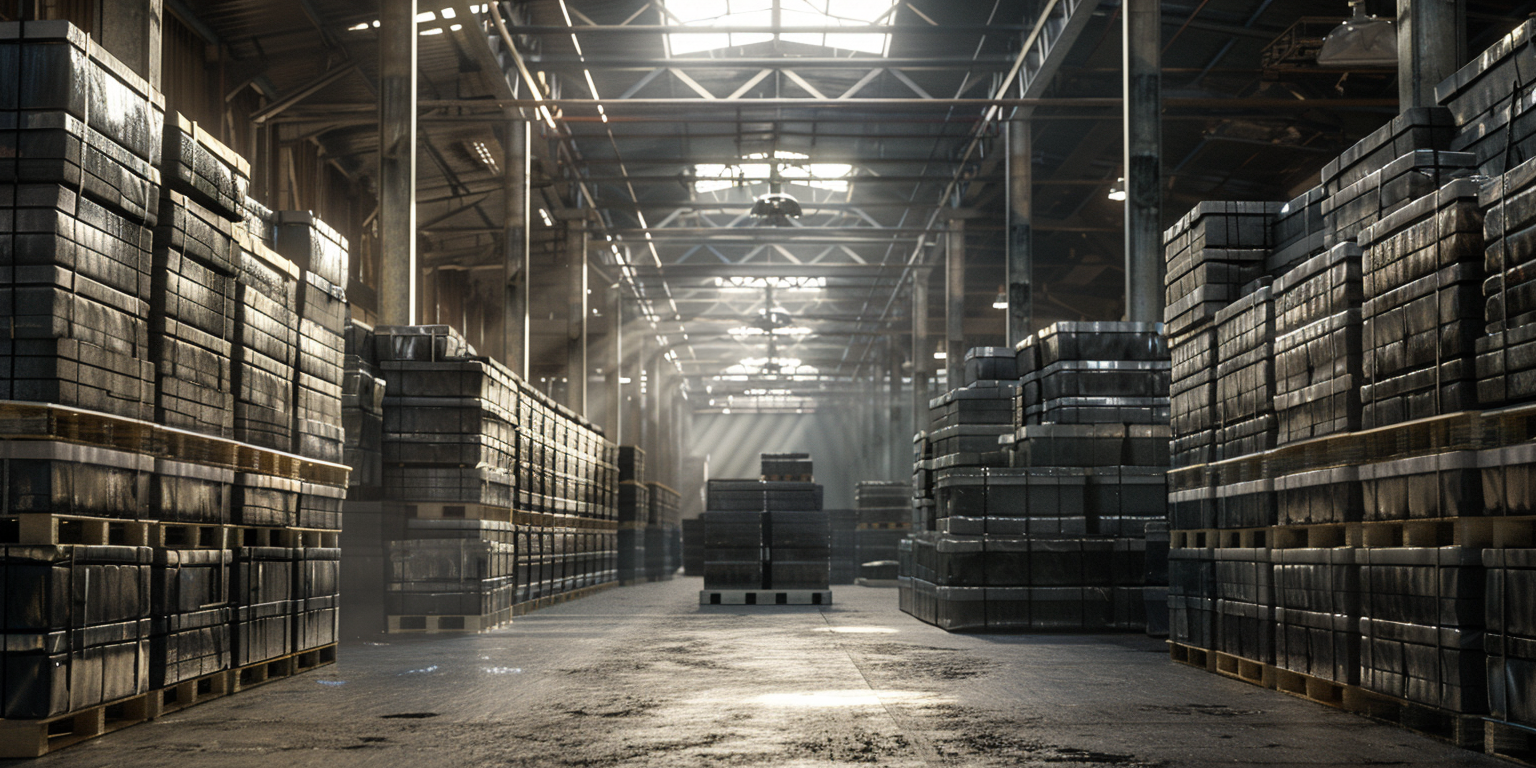
Why Debt-Driven Economies Produce Cycles
Modern economic growth relies heavily on credit expansion. Governments finance infrastructure and long-term programs through borrowing, corporations leverage capital to scale operations, and consumers participate in markets supported by accessible lending. This framework supports expansion and innovation while also creating predictable waves of volatility whenever inflation pressure rises or monetary policy shifts.
During these moments, investor priorities shift toward purchasing-power preservation and long-term asset durability. Historical patterns consistently show that tangible resources maintain relevance across economic transitions because their value connects directly to real production and measurable demand.
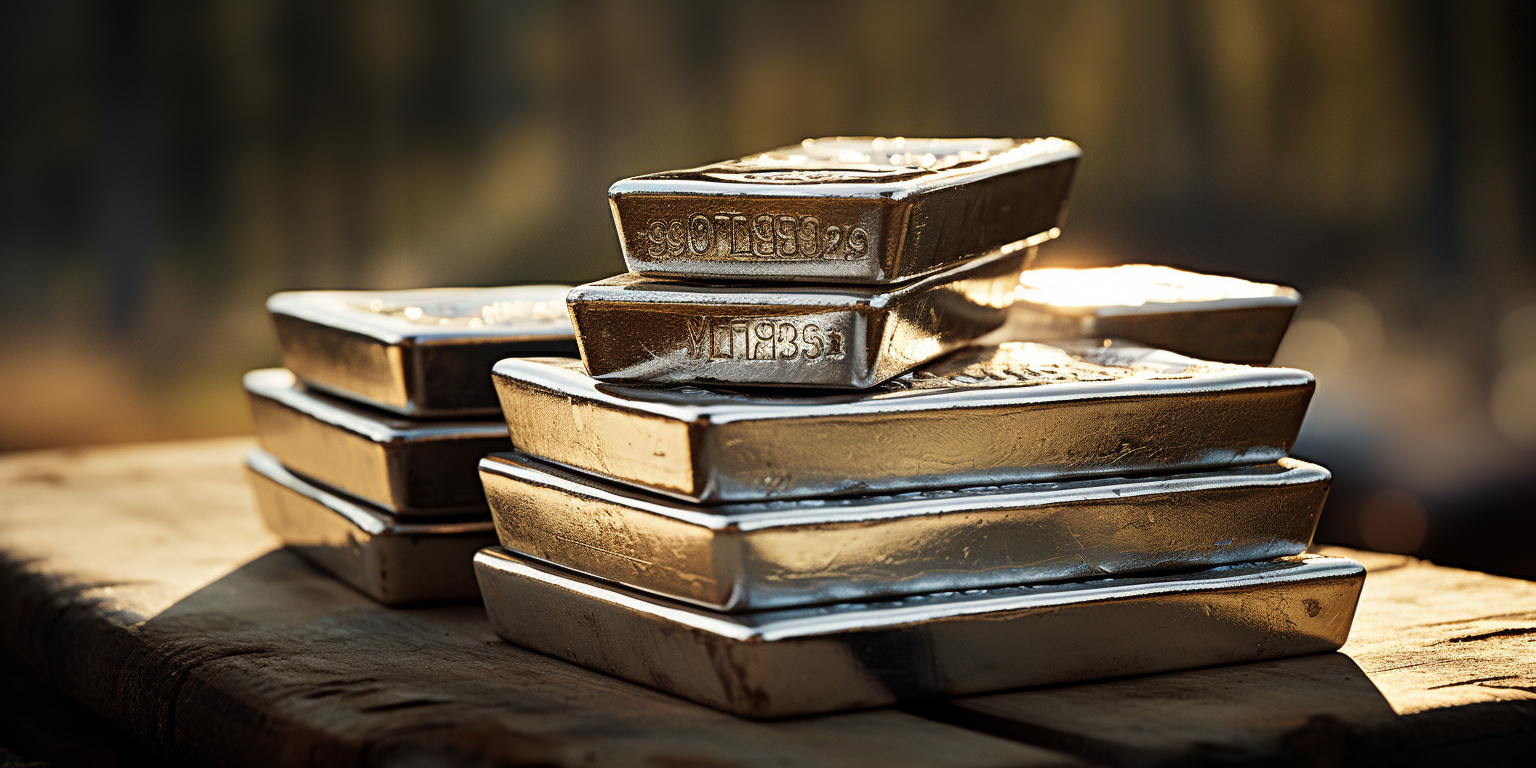
The Enduring Strength of Tangible Assets
Hard assets have served as the foundation of wealth preservation for generations. Physical silver, gold, productive land, energy infrastructure, and core industrial commodities all represent real resources tied directly to the functioning of the economy. Their value reflects scarcity, utility, and the ongoing needs of industry and population growth.
These assets participate in the real world where manufacturing, transportation, and construction operate daily. Their presence inside the physical supply chain gives them resilience during shifting financial conditions. Whenever uncertainty rises, investor attention naturally returns to these foundational categories because their usefulness remains constant regardless of market mood.

How Experienced Investors View Volatility
Market corrections regularly appear even during strong long-term commodity cycles. History shows that patient accumulation during quieter price periods often produces strong positioning over time. Experienced investors approach volatility with a long horizon and evaluate whether the underlying fundamentals supporting an asset remain intact.
This mindset focuses on structural trends such as industrial demand, supply constraints, population growth, and infrastructure investment. When those forces remain strong, temporary market fluctuations simply represent movement within a broader cycle. Strategic investors use these periods to strengthen positions gradually while maintaining disciplined allocation.

Supply Chains, Production, and the Return of Real Industry
Global manufacturing continues to adapt as trade dynamics evolve and production networks rebalance. Companies consistently place facilities where infrastructure, labor, transportation access, and consumer markets align efficiently. This process leads to ongoing investment in domestic production capacity, logistics hubs, and industrial expansion.
For investors, these developments reinforce the importance of physical production and the resources supporting it. Industrial growth drives demand for metals, land, energy, and transport systems. Each expansion cycle strengthens the economic role of tangible materials and reinforces their relevance within diversified portfolios focused on long-term durability.

The Stag Dominion Approach to Long-Term Positioning
At Stag Dominion, the philosophy centers on steady accumulation and disciplined perspective. Strong portfolios grow from consistent positioning across real assets that support enduring economic activity. Investors following this approach maintain exposure to physical stores of value while allowing time and structural demand to reinforce long-term strength.
This strategy emphasizes:
ownership of tangible assets with measurable utility
diversification across physical resource categories
steady positioning through multiple market cycles
The objective focuses on building resilience that functions across changing economic environments while preserving purchasing power and structural stability.
The Principle That Continues to Hold True
Financial systems evolve, policies shift, and industries expand into new technological frontiers. Throughout each generation of economic change, the same underlying principle continues to guide disciplined investors. Real assets provide a foundation grounded in material demand, physical scarcity, and long-term industrial necessity.
Whenever market uncertainty rises, experienced investors tend to return to these fundamentals and position themselves accordingly. Tangible value continues to anchor durable wealth strategies, and steady accumulation across cycles consistently rewards patience, preparation, and long-range thinking.