Spring Bass Fishing Gear: The Setups That Cover Changing Conditions
Rods, Lures, and Tackle That Help Anglers Stay on the Bite
Spring fishing rarely stays predictable for long.
A calm morning can turn into a windy afternoon. Clear skies can give way to a fast-moving storm front. One stretch of shoreline may hold staging bass feeding on crawfish, while the next bank over is alive with baitfish.
Anglers who consistently find fish in the spring usually have one thing in common: they come prepared with gear that allows them to adjust quickly.
Understanding how bass feeding behavior changes throughout the spring, from crawfish patterns to baitfish migrations, helps anglers choose the right tools for the conditions in front of them. Having the right setups ready makes it possible to shift presentations without losing valuable time on the water.
In many cases, a handful of well-chosen rods and a small group of proven lures are all that’s needed to stay on active fish as conditions change.
The Reaction Bait Setup
Spring bass often respond aggressively to moving lures.
Wind, cloud cover, and falling barometric pressure can stimulate feeding behavior across a lake, especially when bass are chasing baitfish along shallow structure. In these conditions, reaction baits allow anglers to cover water quickly and locate fish that are actively hunting.
A medium-heavy baitcasting rod paired with a fast retrieve reel is a dependable setup for this style of fishing. The backbone of the rod allows anglers to drive hooks home when bass strike moving lures at speed.
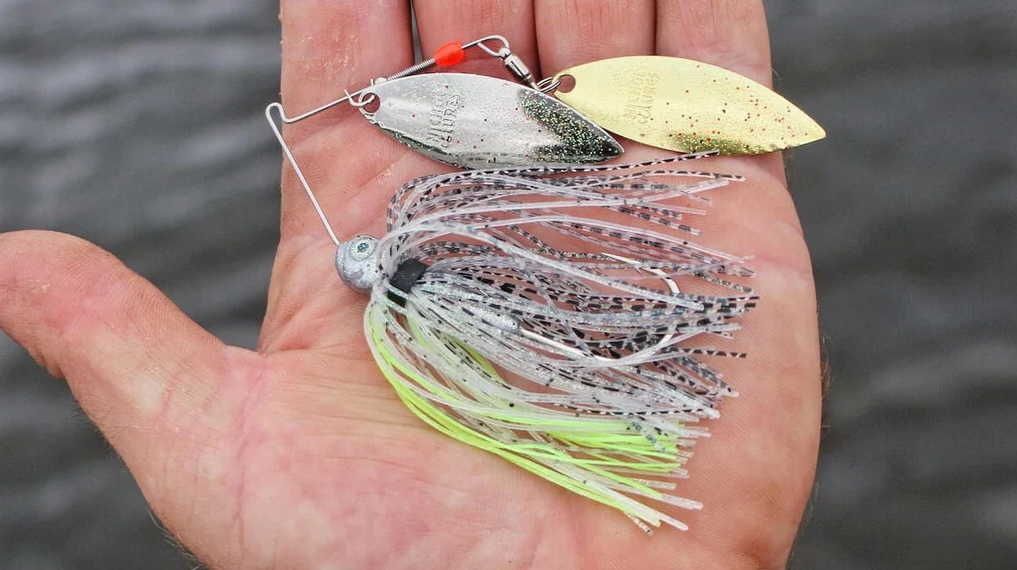
Spinnerbaits are one of the most versatile reaction lures available during spring. Their combination of flash and vibration allows bass to locate them easily in stained water or windy conditions.
Many anglers rely on classic designs such as the Booyah Blade Spinnerbait, which produces strong vibration while maintaining a compact profile that resembles fleeing baitfish.
Casting spinnerbaits along wind-blown banks, grass edges, and shallow cover often produces aggressive strikes when bass are actively feeding.
The Vibrating Jig Approach
Vibrating jigs have become a staple in modern bass fishing, especially during the spring months when baitfish begin appearing along shallow structure.
These lures produce a distinct pulsing vibration that mimics the movement of prey trying to escape through the water column.
A medium-heavy rod with a slightly softer tip works well for this presentation. The softer tip helps absorb the initial strike while still providing enough power to control fish around vegetation or timber.
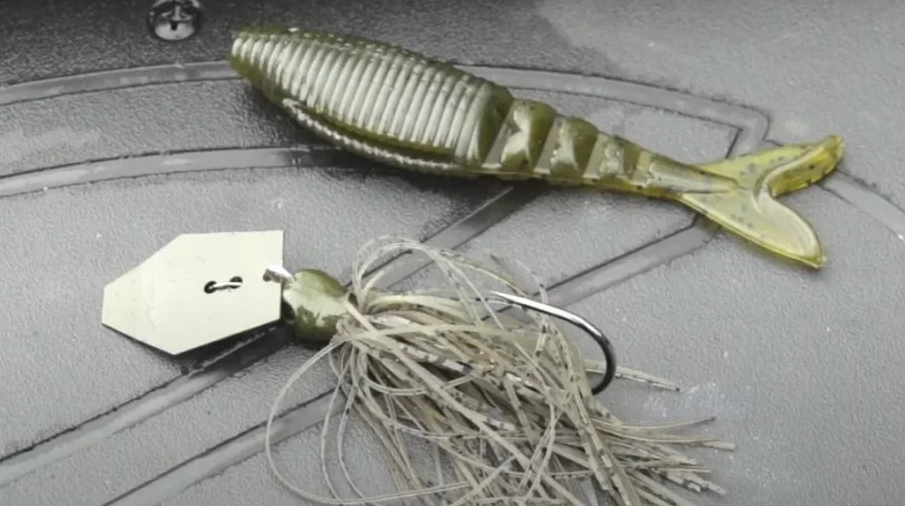
A vibrating jig such as the Z-Man Original Chatterbait paired with a soft plastic trailer can imitate a wide range of baitfish. When retrieved steadily along grass lines or submerged wood, the lure creates a swimming profile that bass often attack without hesitation.
These baits become especially effective when wind pushes baitfish toward shorelines or when cloud cover encourages bass to roam shallow water.
The Squarebill Crankbait Setup
Rocky banks and shallow wood cover become prime staging areas for bass as they move toward spawning flats.
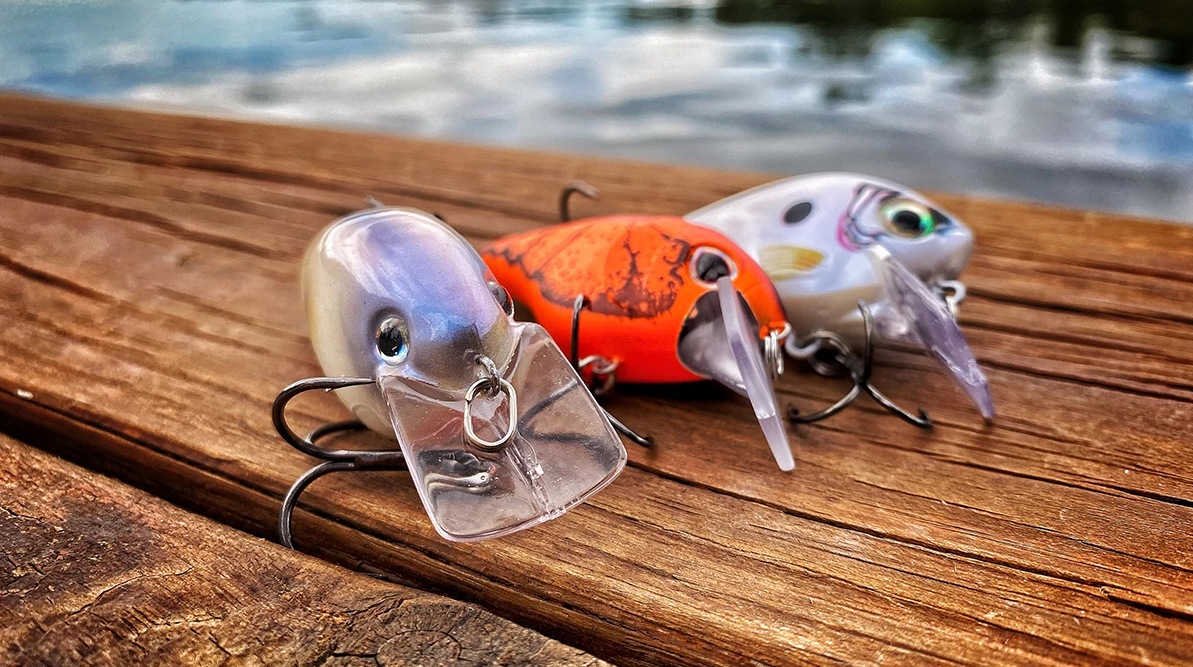
Squarebill crankbaits are designed specifically for fishing this kind of structure. Their bill shape allows the lure to deflect off rocks, stumps, and submerged wood without snagging easily.
That deflection often triggers reaction strikes.
A moderate-action rod is ideal for fishing crankbaits. The softer bend of the rod helps keep treble hooks pinned during the fight while also preventing fish from throwing the lure.
A widely used option among anglers is the Strike King KVD Squarebill Crankbait, which runs shallow and produces a tight wobble that resembles distressed baitfish.
Working squarebills along rocky banks, submerged timber, and shallow flats often produces strikes from bass staging in these areas before the spawn.
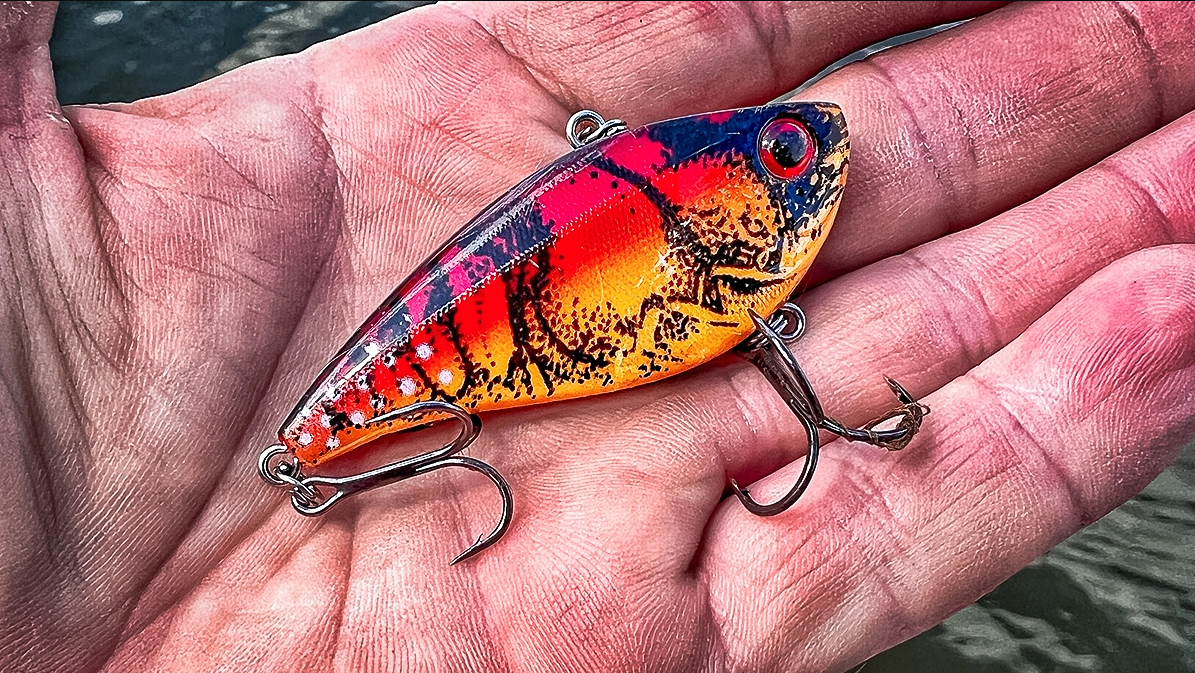
Lipless Crankbaits for Covering Water
Spring often requires anglers to search large areas of water before locating feeding fish.
Lipless crankbaits excel at covering water quickly while maintaining a strong vibration that bass can detect even when visibility is reduced.
These lures can be retrieved across shallow flats, along grass lines, or through submerged vegetation where baitfish gather.
One of the most commonly used models is the Strike King Red Eye Shad, which produces a tight vibration and internal rattle that helps bass locate it in stained spring water.
Allowing the lure to tick the tops of grass or bounce along shallow structure can trigger sudden strikes from bass that are staging nearby.
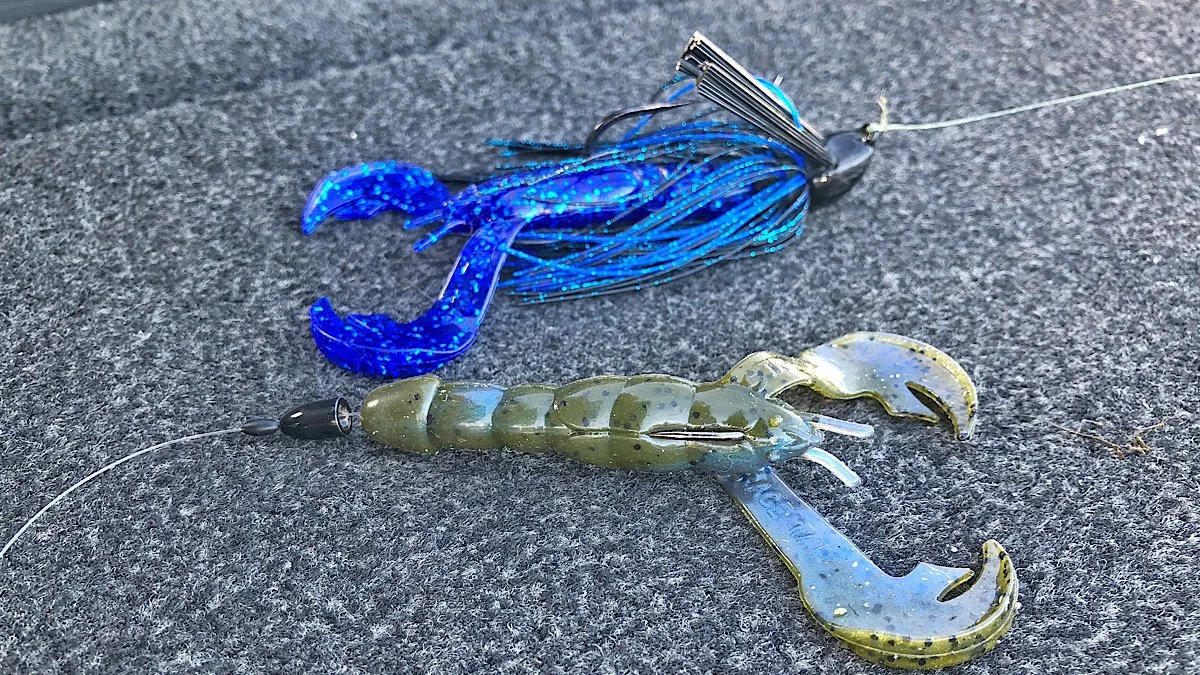
Bottom Presentations for Crawfish Feeders
Although baitfish patterns dominate much of the spring season, crawfish remain an important food source—especially during the early part of the transition.
Bass feeding along rocky banks and gravel transitions often focus on prey moving along the bottom.
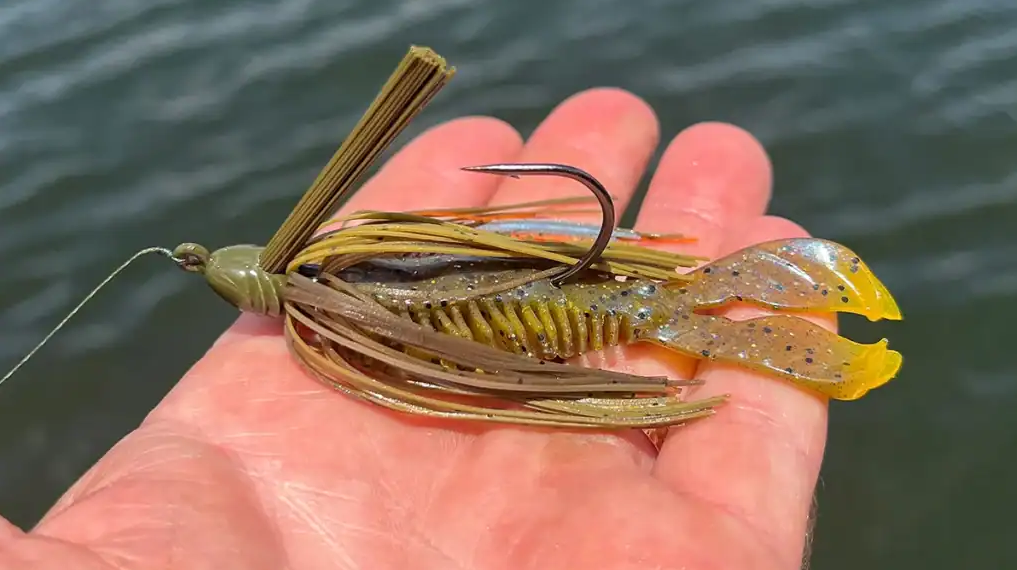
A jig paired with a craw-style trailer allows anglers to imitate this behavior closely. Slowly dragging the lure across rocks, wood, and staging structure creates a natural presentation that resembles a crawfish moving along the lake floor.
Soft plastics such as the Strike King Rage Craw produce a subtle kicking motion that adds realism when worked slowly across the bottom.
This approach often produces strikes from bass that remain close to staging areas before moving fully into spawning flats.
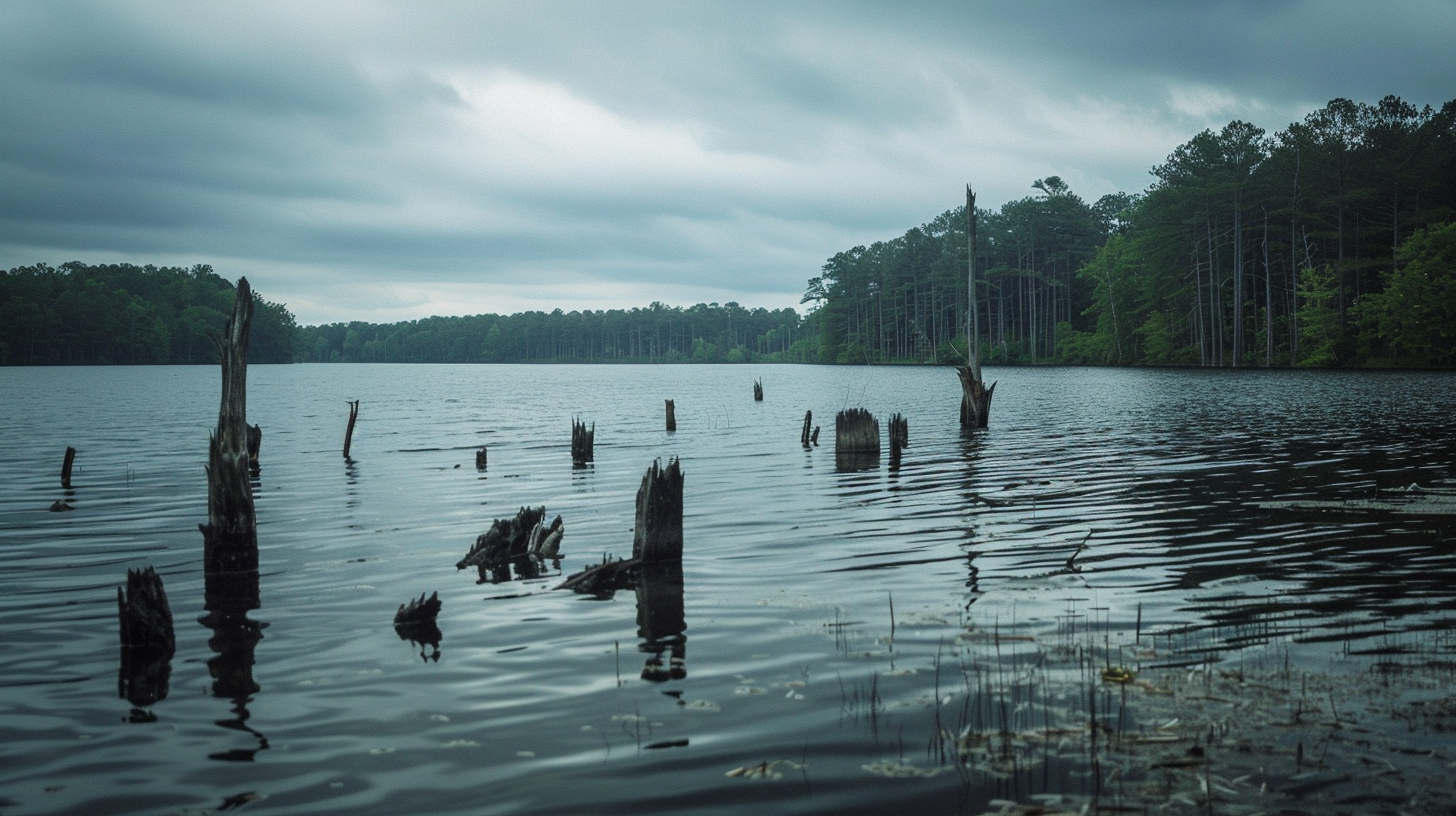
Preparing for Changing Spring Weather
Spring fishing often rewards anglers who stay flexible.
Weather shifts, passing storms, and changing wind patterns can quickly influence where bass position themselves within the lake. Reaction baits may produce aggressive strikes one moment, while slower bottom presentations become necessary later in the day.
Carrying multiple rod setups allows anglers to switch presentations quickly when conditions change.
Many experienced anglers keep several rods on deck during the spring season, each rigged with a different lure style. This makes it possible to adapt without constantly retying knots or digging through tackle boxes.
The ability to adjust quickly often makes the difference between catching a few fish and experiencing a truly productive day on the water.
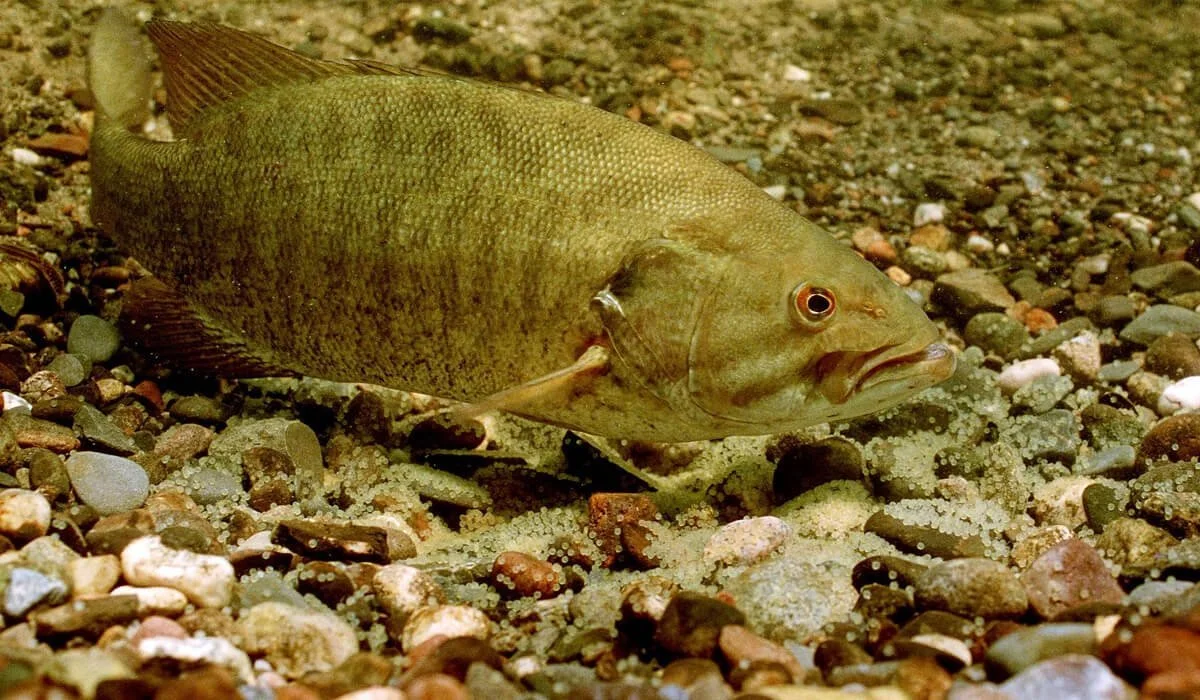
Bringing It All Together
Spring bass fishing is shaped by a combination of seasonal movement, feeding behavior, and changing weather conditions.
Storm fronts can ignite feeding activity across the lake. Warming water encourages baitfish to migrate toward shallow areas. Crawfish emerge along rocky banks as bass begin staging near spawning flats.
Each of these patterns presents opportunities for anglers who recognize the signs.
Reaction baits allow anglers to cover water and locate active fish. Vibrating jigs and spinnerbaits imitate baitfish pushed by wind and current. Crankbaits trigger strikes along shallow structure, while jigs and craw-style plastics produce bites from bass feeding near the bottom.
Having the right gear ready makes it easier to adapt as these patterns unfold.
For anglers who enjoy the changing rhythms of the season, spring offers some of the most exciting fishing of the entire year. Lakes come alive with movement, feeding windows appear suddenly, and bass begin hunting with renewed intensity.
With the right equipment on deck and an understanding of how bass behavior evolves through the season, those moments become easier to recognize and far more rewarding to experience.